Anxiety, Depression, Body Image, Emotional Eating, Addictions, Insomnia, and More.

Category: Uncategorized

Movement and Your Mental Health: Why Moving Our Body Matters More Than We Think

I hope you enjoy this podcast hosted by my good friend and colleague Sarah J. Covey of Covey Wellness Centre. It features another good friend and colleague, Julia Woito, who is a fitness instructor and psychotherapist. Together we explore the difference between exercise and movement and encourage our listeners to find ways to move that is in tune with their bodies and supports positive mental and physical health goals.


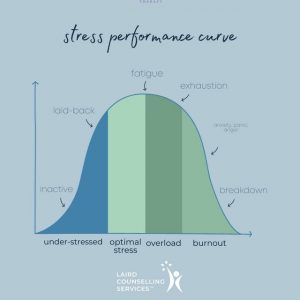
Job Stress and Work Performance

Stress is a normal part of life. We all experience it. Stress can be good—it helps us prepare for things that are important to us, like taking a test or going on a job interview.

But sometimes, stress can feel overwhelming and make you feel like you’re not in control of your emotions or your body. When this happens, it can affect your mental health—and the way you think about yourself and the world around you. The good news is that there are things you can do when stress gets overwhelming so that it doesn’t take over your life.

If you’re feeling overwhelmed or stressed, try these tips:

-Take a quick break and walk away from your situation. This can help you clear your mind and calm down.

-Pause to breathe deeply, focusing on inhaling and exhaling slowly. This will help lower your heart rate and blood pressure, which will make you feel more relaxed.

-Talk with someone about how you’re feeling—it might be a friend or family member who is supportive of you.

-Do something fun to take your mind off things—go for a walk, do a puzzle, or play with your pet.

-Get some exercise; it will help clear your head and shift stress out of your body.

Usually, when you try simple stress-reduction techniques like these, it can help you feel more relaxed, and then you can use that feeling to help you think about your situation differently.

If you find yourself dealing with chronic stress, it might be time to connect with a mental health professional who can help you find ways to manage your stress more effectively.

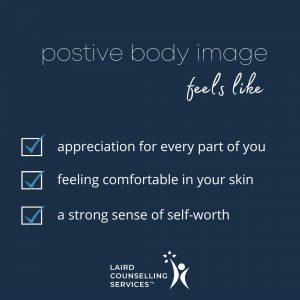
Positive Body Image Feels Like

We are constantly bombarded with unrealistic and unhealthy standards for what our bodies “should” look like. When we internalize these unrealistic and unhealthy standards, it makes it incredibly difficult to ever achieve confidence in our own bodies.

This can lead to feelings of failure, creating a spiral that damages self-esteem and self-confidence and affects other areas of life like relationships, performance and health.

Restoring your relationship with your body is part of a larger journey to reclaim your right to enjoy life unrestricted by internalized messages of how you “should” look.

You may have been taught “the rules” about what’s acceptable or unacceptable about your body from a young age by society or through the media. You may also have been told throughout your life that certain parts of yourself are not acceptable or attractive because they don’t fit into someone else’s idea of what a body “should” look like.

And at the same time, you may also feel ashamed or embarrassed by these thoughts and beliefs. But it is important not to be hard on yourself because it takes time to change old habits and beliefs about our bodies.

Many people have spent years thinking these things about themselves without even realizing how much damage this has caused them over time until they begin to pay attention.

The first step is realizing that these thoughts are not true, and the second is to replace them with new beliefs about yourself that are more positive and empowering.

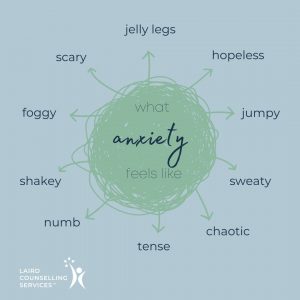
What Anxiety Feels Like

Anxiety is a normal feeling.

But sometimes it can get away on us, and start to get in the way of life.

Noticing the way anxiety feels in your body can help you identify when you’re beginning to feel anxious. And if you can tune into those feelings, you can begin to address them before they take over completely.
Anxiety might feel like: jumpiness, sweating, restlessness, tension, numbness, fogginess. It might feel like clenched muscles, shallow breathing, or a stomach ache. Or something else completely!

How does anxiety feel in your body? What grounding techniques do you use when it shows up?

Page 4 of 4