
Anxiety, Depression, Body Image, Emotional Eating, Addictions, Insomnia, and More.

Category: Uncategorized Page 1 of 4

Navigating Body Image Grief

We are told a beautiful, seductive lie by the wellness industry: that if we just try hard enough, eat clean enough, and think positively enough, we can bypass the messy reality of having an actual, physical body.

We are sold a fantasy of a future body. one that is permanently energetic, perfectly proportioned, and impervious to aging, stress, or change. We treat this future, idealized version of ourselves not just as a goal, but as the real starting point of our lives: “When I lose the weight…” “When I tone up…” “When I finally fix this…”

But what happens when we realize that the pursuit of it is costing us our sanity, our presence, and our relationships today?

If you are exhausted from fighting your own reflection, you are not failing at self-care. You might actually be experiencing something much deeper: body image grief.

We cannot inhabit a home we are constantly trying to demolish. Healing begins not when we force ourselves to love what we see in the mirror, but when we allow ourselves to mourn the fantasy body we were promised, so we can finally show up for the one we actually live in.”

Understanding Body Image Grief

Grief is a word we usually reserve for the loss of a loved one, a career, or a dream. But grief is also the natural human response to letting go of an expectation. When you decide to step off the relentless treadmill of dieting, intense exercise regimens, or hyper-vigilance, there is a profound sense of relief, but there is also a quiet, unexpected wave of sorrow.

To heal your relationship with your body, you must first grieve. You have to mourn:

  • The Fantasy of the “Perfect” Body: Acknowledging that the idealized, airbrushed version of you that society demands may never exist, and that keeping it on a pedestal is keeping you from living.
  • The Time and Energy Lost: Feeling the weight of the years, months, and hours spent counting calories, staring critically at changing reflections, and missing out on memories because you felt too uncomfortable in your skin to participate.
  • The Illusion of Safety: Recognizing that a smaller or more muscular body is not a shield against life’s difficulties, rejection, or vulnerability.

Grief is not a sign that you are moving backward. It is the precise gateway to moving forward. When we allow ourselves to mourn the body we thought we “should” have, we free up the immense energy required to tend to the body we actually do have.

Moving From Comparison to Somatic Connection

Our culture teaches us to view our bodies from the outside in. We look at ourselves through an external camera lens, constantly evaluating, judging, and comparing. This is a cognitive trap. You cannot think your way into loving your body if your primary relationship with it is analytical and critical.

To change how you feel about your body, you have to change how you inhabit it. This shift from external critique to internal awareness is called somatic connection. It is the practice of feeling your body from the inside out:

  • Shift from “How do I look?” to “How do I feel?”: When you sit down at your desk or walk into a room, take a breath. Feel the support of the chair underneath you. Notice the rise and fall of your chest. Feel the solid earth beneath your feet.
  • Find Movement for Pleasure, Not Punishment: Move your body because it feels good to stretch, to breathe, or to sweat—not to pay a physical fine for what you ate the night before.
  • Acknowledge Your Body’s Daily Labors: Your body is constantly working to keep you alive. It pumps blood, digests food, heals cuts, and takes in oxygen without you ever having to ask. It is an ally, not an adversary.

Therapy for Body Image and Self-Acceptance

True body acceptance is not about looking in the mirror and forcing yourself to repeat positive affirmations you don’t believe. It is about a quiet cessation of hostilities. It is the relief of declaring a truce with your own physical form.

At our clinic, we recognize that body image struggles are never just about skin, muscle, or bone. They are deeply tied to our need for safety, belonging, and worth. We provide a compassionate, trauma-informed space to help you untangle your self-worth from societal standards.

We work with you to process the underlying grief, quiet the loud voice of comparison, and build a gentle, somatic connection to yourself. You do not have to wait until your body changes to start living your life. You are allowed to take up space, feel peace, and find belonging exactly as you are today.

If you are ready to stop waiting for a future version of yourself to start living, we are here to support you.

Reach out to schedule a gentle, supportive consultation with us today.

Book a no fee consultation

Cheryl is a Registered Psychotherapist focusing on body image, binge eating, and emotional healing.

If You Feel Constantly On Edge or Too Exhausted to Focus, Here Is What Is Actually Happening

We live in a world that throws the words “anxious” and “depressed” around casually. We use them to describe a stressful afternoon at work or a rainy weekend afternoon.

But behind the closed doors of my practice, I see a fundamentally different reality. I sit across from brilliant, highly capable people every day who run businesses, manage teams, and keep entire households organized—yet feel entirely paralyzed when it comes to their own internal world.

If you know that feeling, you’ve probably spent a long time blaming your willpower. You’ve told  yourself that if you were just a little more disciplined, or if you tried just a little bit harder tomorrow, you could finally shake the heavy fog or stop the racing thoughts.

When you see a healthcare professional, they often use standard clinical tools like the GAD-7 screening for anxiety and the PHQ-9 for depression. But you don’t live your life inside a clinical checklist. You live it at your desk, in your car, and in your relationships. To truly find relief, we have to look past the medical numbers and address how these conditions actively disrupt your daily life.

How Anxiety and Depression Intersect to Drain Your Daily Energy

Though our culture treats anxiety and depression like opposites—one makes you wired, the other makes you low—the physical reality inside your body tells a completely different story. On a clinical scale, both conditions share massive real estate: poor sleep, an overwhelming lack of energy, trouble concentrating, and intense physical restlessness.

In daily life, this looks like high-functioning anxiety running your battery straight into the ground. You wake up after eight hours of sleep feeling like you haven’t rested in a year. The most basic tasks feel like hiking up a mountain through deep mud. Your system is running on empty because it is burning all its fuel just trying to survive.

Why Does Your Mind Turn Everyday Worries Into a High-Stakes Survival Situation?

When anxiety takes over, clinical measures focus on feeling nervous or on edge, an inability to stop or control worrying, and a persistent feeling that something awful might happen. In your everyday routine, this is your body’s internal alarm system getting permanently jammed on the high setting. It feels like living with an invisible baseline hum of static electricity right beneath your skin.

Your shoulders are up to your ears, your jaw is permanently clenched, and your mind feels like a game of toxic Whack-A-Mole. The moment you solve one problem, your brain immediately transfers that exact same level of panic to a new target. Your mind is simply trying to create thoughts that match the high level of adrenaline pumping through your system.

The Depressive Fog: Why Chronic Exhaustion Quietly Shuts Down Your Motivation

When the system completely burns out from holding that anxiety static at bay, the symptoms of depression roll in. Clinical diagnostic tools look for little interest or pleasure in doing things, feeling down or hopeless, and feeling like a failure who has let everyone down.

This is the exact moment the engine shuts off entirely.

Depression pulls a heavy veil over the world, making the hobbies, conversations, and routines that used to bring you genuine joy feel completely flat and empty. It whispers a cruel lie into your ear: that you are a burden, and that tomorrow will feel exactly like today. It strips away your ability to stay present, leaving you feeling entirely isolated even in a room full of people who love you.

Why True Relief Requires Moving Away From Rigid Rules and
Toward Nervous System Regulation

Your struggle with your mental health isn’t heavy because you lack character or strength. It’s heavy because your nervous system has been forced to do the heavy lifting for chronic pressure, stress, or old hurts that have nowhere else to safely go. You cannot fix an internal conflict rooted in pain by forcing yourself into a tighter cage.

Real healing doesn’t come from forcing yourself into a stricter routine to fix a body that is crying out for rest.

It happens when we step back from the daily rush and move away from rigid rules toward genuine nervous system regulation. When your body learns how to process stress without entering a state of total survival overwhelm, your day-to-day functioning naturally begins to soften.

Do You Want to Reclaim Your Day-to-Day Focus?

At my clinic, therapy for anxiety and depression is focused entirely on creating safety. Instead, we work with you to understand what the invisible pressure is that your system is trying to protect you from, helping your body find true relief in a sustainable, gentle way.

You don’t have to keep struggling your way through the daily static, and you don’t have to carry this heavy armor alone. If you are ready to break the cycle and find a peaceful way forward, reach out to us today to schedule a gentle, entirely judgment-free introductory consultation.

For a free no-pressure consultation, book here.

Cheryl is a Registered Psychotherapist focusing on stress, worry, and mood regulation.

Overeating, Emotional Eating, or Binge Eating?

We live in a culture that loves to label everything. If you eat an extra slice of cake at a birthday party, someone calls it a “cheat day.” If you have a stressful afternoon at work and reach for a bag of chips, you might jokingly tell a coworker you’re “stress eating.”

But behind closed doors in my practice, these terms carry a lot more weight.

I often sit across from brilliant, highly capable people who look at me with a mix of exhaustion and confusion and ask: “Am I just greedy, am I an emotional eater, or is this something much deeper?”

If you’ve found yourself scrolling through late-night articles trying to figure out if your relationship with food is a temporary habit or a deep-rooted cycle, you aren’t alone. Let’s pull back the clinical curtain and look at the real difference between overeating, emotional eating, and binge eating—not to give you a label to hide behind, but to help you understand what your body is actually trying to tell you.

1. Overeating

Let’s start with the most common one. Overeating is, at its core, a physical event.

It happens when the food is incredibly delicious, the environment is social, or you simply missed your body’s subtle “I’m full” cues. Think of a holiday celebration, a backyard BBQ with friends, or trying a brand-new restaurant. You eat past the point of comfortable fullness, your jeans feel a little too tight, and you might think, “Oof, I definitely didn’t need that last taco.”

The Key Identifiers:

  • The Presence: You are usually fully present and conscious while it’s happening. You’re talking, tasting, and enjoying.
  • The Aftermath: There might be slight physical regret, but there isn’t a crushing wave of existential guilt. You don’t wake up the next morning feeling like a fundamentally broken person; you just move on with your week.

2. Emotional Eating

Emotional eating is where the nervous system enters the chat. This isn’t about physical hunger at all; it’s about using food to shift, numb, or change an internal emotional state.

You finish a brutal day at the office, or you have a tense conversation with your partner, and suddenly the pantry starts calling your name. You aren’t seeking fuel; you are seeking comfort, distraction, or a reward. Food becomes a quick, reliable way to access a hit of dopamine when reality feels a bit too sharp or draining.

The truth about emotional eating: It is a deeply human coping mechanism. In a world that demands we constantly “perform,” food is sometimes the quickest way to create a boundary of comfort around ourselves.

The Key Identifiers:

  • The Trigger: It is almost always preceded by a specific feeling—boredom, loneliness, stress, or exhaustion.
  • The Scale: While you might eat more than you intended, there is still a baseline level of control. You might eat half a pint of ice cream while watching a movie to soothe yourself, but you don’t feel entirely disconnected from your own body while doing it.

3. Binge Eating

This is where the shift becomes profound. The difference between overeating and binge eating isn’t just about the volume of food; it’s about the total loss of agency.

When a binge happens, it feels like an out-of-body experience. The autopilot takes over, the fog rolls in, and it feels as though someone else has taken the steering wheel. It is a desperate, biological attempt by an overwhelmed nervous system to find a temporary chemical truce from an internal pressure cooker that has become too loud to bear.

If emotional eating is a blanket, binge eating is an emergency escape hatch.

The Key Identifiers:

  • The Dissociation: You often eat incredibly fast, sometimes without even tasting the food, feeling completely disconnected from the room around you.
  • The Secrecy and Shame: It almost always happens in isolation, hidden from the world. The aftermath isn’t just a tight waistband—it is a heavy, suffocating wave of food shame and a deep feeling of powerlessness.
  • The Restriction Loop: The morning after a binge, the immediate instinct is to build a tighter cage. You promise to restrict your food, skip breakfast, or start a strict new routine. But that very restriction creates the deprivation that triggers the next absolute depletion.

Moving From Labels to True Regulation

If you are reading this and recognizing yourself in the deeper end of this spectrum, please hear this: Your body is not broken, and you are not uniquely weak-willed.

Whether it is emotional eating vs binge eating, the behavior isn’t proof of a character flaw. It is a sign that food has been forced to do the heavy lifting for emotions, chronic stress, or trauma that simply have nowhere else to go. You cannot shame yourself into a peaceful relationship with food, and you cannot discipline your way out of deep emotional exhaustion.

Real healing doesn’t come from memorizing definitions or forcing yourself into stricter rules. It happens when we step away from the kitchen entirely and start looking at how your nervous system processes safety.

Here are a few questions to consider as you start to restore your nervous system?

  • How do you care for yourself?
  • When do you rest? (Not the same as sleeping or watching TV)
  • Can you set boundaries (without excessive guilt)?
  • Do you know how you are feeling?
  • Can you identify your emotions in the moment?
  • What are your hobbies?
  • How often do you get together with friends and loved ones?
  • Do you pursue your passions?
  • Can you be gentle with yourself when things aren’t going well?

As you ponder these questions, please know that you are not alone in your journey.  If you have any questions, do not hesitate to reach out.

Cheryl is a Registered Psychotherapist focusing on body image, disordered eating, and emotional healing.

You Cannot Punish a Body Into Safety

Understanding the Binge Eating Cycle

For so many people who experience a compulsive relationship with food, the heaviest weight isn’t the physical discomfort—it’s the intense isolation that settles in after the fog clears.

It’s that quiet moment in the kitchen, looking at an empty wrapper or an open pantry, wondering how someone who is so capable, so organized, and so put-together in every other area of life could feel so completely powerless here.

If you know that feeling, you’ve probably spent a long time blaming your willpower. You’ve probably told yourself that if you were just a little more disciplined, or if you tried just a little bit harder tomorrow, you could finally fix it.

But behind closed doors in my practice, I see something entirely different. I don’t see a failure of strength.

I see an overwhelmed nervous system using the only survival tool it has left to find a temporary moment of peace. The Anatomy of the Binge Eating Cycle To find a way out, we have to understand that the binge eating cycle doesn’t actually start in the kitchen.

It starts hours, sometimes days, before the first bite is taken, fueled by an invisible pressure cooker.

It begins quietly as you go through your week swallowing your stress, taking care of everyone else, ignoring your own boundaries, and holding everything together with a tight grip. You white-knuckle your way through the day, performing perfectly, while the emotional weight builds up to a point of absolute depletion.

When the break finally happens, it isn’t an act of greed—it is a desperate biological attempt to numb the noise, shut off the racing thoughts, and find a safe place to land when reality feels too heavy to carry.

The Trap of Food Shame and Restriction

But then comes the crash, bringing a crushing wave of food shame. To cope with the guilt, you promise yourself that tomorrow will be different, vowing to restrict more, eat cleaner, and fight harder.

And just like that, the trap snaps shut.

The new restrictions create a deep sense of physical and emotional deprivation, which inevitably fuels the next wave of pressure.

Shame does not heal.

It just adds more pressure to an already exhausted system, forcing your body to look for a release valve even sooner.

The deepest flaw in how our culture views these struggles is the idea that we can punish ourselves into doing better.

Every time you beat yourself up, call yourself weak, and vow to restrict your food tomorrow, you accidentally light the fuse for the next time.

Moving Beyond the Rules to Emotional Regulation

Your relationship with food isn’t strained because you lack character or strength. It’s strained because food has been forced to do the heavy lifting for emotions, trauma, or stress that have nowhere else to go.

You cannot fix an internal conflict rooted in pain by forcing yourself into a tighter cage. True healing requires moving away from rigid rules and moving toward genuine emotional regulation.

When the nervous system learns how to process stress without entering a state of total overwhelm, the compulsive need to numb out naturally begins to soften.

Finding Room to Breathe: Therapy for Binge Eating

At our clinic, therapy for binge eating is focused entirely on creating safety.

We don’t hand you a meal plan, track your metrics, or judge your choices. Instead, we work with you to understand what the behavior is trying to protect you from, helping your body find true relief in a sustainable, gentle way.

You don’t have to keep navigating this heavy ground by yourself, and you don’t have to keep fighting it in the dark. If you are ready to break the cycle and find a peaceful way forward, reach out to us today to schedule an introductory consultation.


Cheryl Laird is a Registered Psychotherapist focusing on body image, binge eating, and emotional healing.

Your Body is Not a Project

Beyond Body Image Struggles: Signs of Emotional Eating and the Search for Perfection 

We live in a culture obsessed with the visible. We celebrate the drastic weight loss, the strict gym routines, the rigid meal prep, and the “unwavering discipline.” We look at someone who has successfully molded themselves to fit societal standards and we call it health. 

But behind closed doors, that “perfect” exterior is often paid for with an agonizing currency: the complete abandonment of how we actually feel. 

When we treat our bodies like projects to be managed rather than a home to live in, our world shrinks. The pressure to conform to an idealized body image is a universal trap, but it wears different masks depending on who you are. 

  • For women, it’s often an exhausting game of shrinking—the constant, loud background noise of feeling like you take up too much space, paired with the quiet desperation of using food as the only secret comfort when the emotional load gets too heavy to carry. 
  • For men, the trap is often wrapped in the armor of hyper-capability. It’s the unspoken pressure to be stoic, built, and physically dominant. Because men are rarely given permission to speak about their body image struggles, the anxiety is driven underground—hidden beneath aggressive workout regimes or channeled into a private, compulsive relationship with food that no one else ever sees.

Whether you are trying to shrink yourself or build yourself into a fortress, the result is the same: you are surviving your life rather than experiencing it. 

The Silent Language: Signs of Emotional Eating 

When we cut off communication with our internal emotional world, our feelings don’t just vanish. They look for a trapdoor. For many of us, that trapdoor is food. 

The signs of emotional eating are rarely about a lack of willpower; they are about a desperate need for a release valve. They show up in the quiet, ordinary moments of your week: 

  • The “Numbing Out” Ritual: It’s eating standing up in the kitchen after everyone else has gone to bed. You aren’t tasting the food, and you aren’t hungry. You are just seeking a temporary chemical truce for a nervous system that has been white-knuckling its way through the day. 
  • The Pendulum of Control: Spending your entire week obsessively managing every macro and calorie, only to have the dam break over the weekend. The ensuing binge isn’t driven by an appetite for food—it’s an appetite for relief from your own rigid rules. 
  • The Emotional Tax on Presence: Sitting at a dinner table with people you love, but you are entirely absent. You aren’t listening to the conversation because your mind is locked in an exhausting loop of self-judgment, calculating the caloric “damage” of your plate, or plotting how you’ll restrict yourself tomorrow to make up for it. 

When this cycle takes over, it robs you of your quality of life. Genuine fulfillment is replaced by a constant, low-grade anxiety. 

You start turning down social invitations, avoiding intimacy, and pulling away from the things that used to bring you joy, all because the mental real estate required to manage your body has taken over everything else. 

Moving Beyond the Rules 

If this is your daily reality, please hear this: you cannot discipline your way out of a conflict that is rooted in emotional pain. You cannot shame a body into healing when it is starving for safety. 

Your relationship with food isn’t broken because you lack strength; it’s strained because food has been forced to do the heavy lifting for emotions that have nowhere else to go. 

Reclaiming Your Life: Therapy for Emotional Eating 

True vitality doesn’t look like a specific number on a scale or a hyper-controlled diet plan. It looks like peace. It looks like being able to eat a meal without a side of guilt, and occupying your body without apologizing for it.

At our clinic, therapy for emotional eating is designed to break the cycle of perfectionism. We provide a warm, deeply empathetic, and entirely judgment-free space where both men and women can safely unpack the societal pressures and internal hurts driving these behaviors. 

We don’t focus on giving you a new list of rules to follow. Instead, we work with you to understand the emotional hunger beneath the surface, helping you build a genuine, healing relationship with food and yourself. 

You don’t have to keep fighting this battle in silence. If you are ready to stop just surviving and start living a more fulfilling, connected life, reach out to us today to schedule an introductory consultation. 

Cheryl is a Registered Psychotherapist focusing on body image, binge eating, and emotional healing.

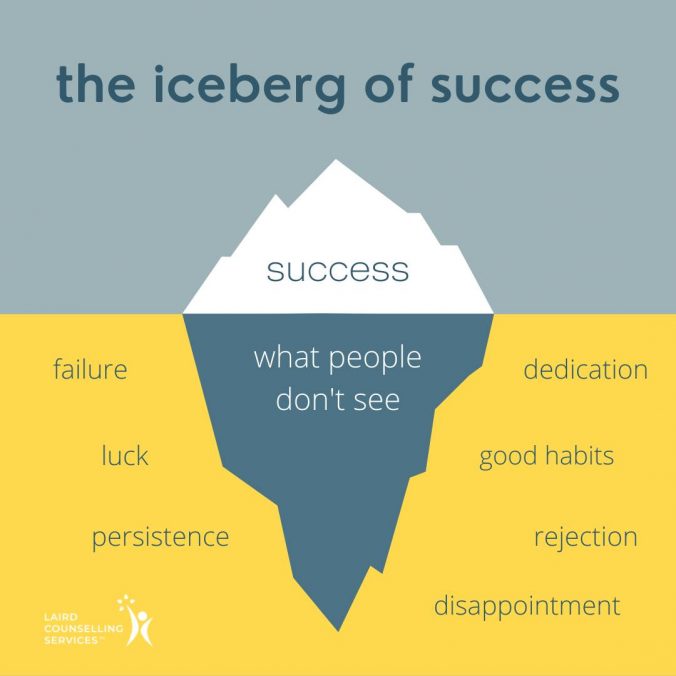
The Iceberg of Success

There is always more to success than what meets the eye.

Just like an iceberg, the visible part of success is only a small fraction of what lies beneath the surface. What is visible to others – such as wealth, fame, and recognition – is often the result of years of hard work, dedication, and sometimes luck.

The majority of the effort that leads to success happens behind the scenes, where no one can see it. This includes the long hours of practice, failures, and sacrifices that are necessary to achieve greatness.

It’s important to remember that success is not just about achieving external goals, but also about personal growth, learning, and the journey that leads to those goals. By keeping this in mind, we can appreciate the full breadth and depth of success and understand that it takes more than what meets the eye to achieve it.

Insomnia Facts

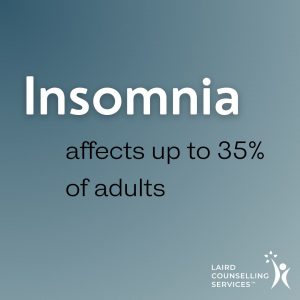
Did you know that insomnia affects up to 35% of adults? 💤

What is insomnia?

Marked by difficulties in falling asleep, staying asleep, and achieving the desired duration of sleep, insomnia can cast a shadow over both nights and days. Its repercussions include excessive daytime sleepiness, an elevated risk of accidents, and widespread health effects stemming from sleep deprivation.

Insomnia can be related to many different causes, including:

Stress: The weight of daily life can infiltrate the tranquility of sleep.

Irregular Sleep Schedule: Disruptions in sleep routines can trigger and perpetuate insomnia.

Poor Sleeping Habits: Neglecting the fundamentals of healthy sleep practices.

Mental Health Disorders: Conditions like anxiety and depression intertwine with insomnia.

Physical Illness and Pain: Underlying health issues can disrupt peaceful sleep.

Medications: Certain drugs may interfere with the sleep cycle.

Neurological Problems: Disorders affecting the nervous system may disrupt sleep.

Specific Sleep Disorders: Conditions like sleep apnea or restless legs syndrome can interfere with sleep.

🔄 A Complex Tapestry:
Insomnia is not one-size-fits-all; its manifestation varies based on causes, severity, and underlying health conditions. The interplay of stress, irregular schedules, mental health, and physical well-being creates a complex web that initiates and exacerbates insomnia.

Understanding the intricacies of insomnia is the first step toward tailored solutions. By unraveling this sleep struggle, we pave the way for more restful nights and brighter days.

If you’re affected by insomnia, contact your primary care provider, and reach out to a mental health professional to explore treatment options.

Find Your Own Path

It’s important to remember that you don’t have to meet other people’s expectations in order to be successful. What matters most is that you follow the path that works for you. It’s okay if you have different goals or take a different approach than others.

Everyone has their own journey and it’s important to honor that. Don’t let the opinions of others hold you back or make you feel like you’re not doing enough. Trust your instincts and stay true to yourself. At the end of the day, you are the one who has to live with the consequences of your decisions, so make sure they are ones that align with your values and aspirations.

Embrace your unique path and celebrate your successes, no matter what other people may think.
Recognizing the Signs of Substance Addiction

What is substance addiction?

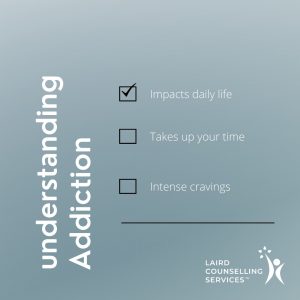
At its core, it involves a compulsive need for drugs or alcohol, often leading to continued use despite adverse consequences. It is usually associated with a psychological as well as physical dependence.

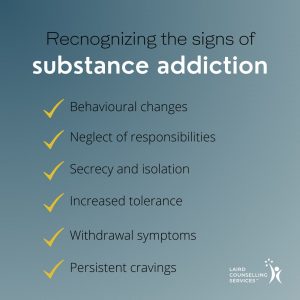
🚨 Identifying the signs of substance addiction is a crucial step toward intervention and recovery. Keep an eye out for these indicators:

Behavioral Changes: Sudden shifts in behavior, priorities, and interests.

Neglect of Responsibilities: A decline in fulfilling personal, professional, or social obligations.

Secrecy and Isolation: Attempts to conceal substance use and withdrawing from social connections.

Increased Tolerance: Needing more of the substance to achieve the same effect.

Withdrawal Symptoms: Physical and psychological distress when not using the substance.

Persistent Cravings: Overwhelming urges to engage in substance use.

💬 Starting the Conversation:
Breaking the silence surrounding substance addiction is important. Engaging in open, non-judgmental conversations fosters an environment where individuals feel comfortable seeking help. It’s not just about identifying the issue; it’s about creating a space for understanding and support.

🤝 Compassionate Support is Key:
If you or someone you know resonates with these signs, remember that help is available. Seeking professional support, whether through a primary care provider, therapy, or support groups, is a courageous step toward a healthier future.
Things to Say to Make Someone Feel Better

When someone we care about is going through a difficult time, it can be challenging to know what to say or how to help. We may worry about saying the wrong thing, making things worse, or appearing insensitive. It’s natural to feel this way because we want to offer support and comfort, but we also don’t want to make things worse.

The truth is that there is no magic phrase or solution that will fix everything. However, acknowledging their pain and letting them know that you are there for them can be a powerful show of support. Sometimes, simply listening without judgment can help someone feel heard and validated.

Ultimately, the most important thing is to be genuine and empathetic. You don’t have to have all the answers, but showing that you care and are willing to be there can make a world of difference to someone who is struggling.

Page 1 of 4